
Cost of Turbocharger Repair: What to Expect
What to Know
- Turbocharger repair costs can vary widely depending on the extent of the damage, the type of turbocharger, and whether rebuilding or replacement is required.
- Common turbocharger issues such as worn bearings, damaged seals, actuator failures, or boost leaks can often be repaired before they lead to complete turbo failure.
- Delaying repairs can increase costs over time by causing additional damage to the turbocharger, engine, or emissions system.
- Early diagnosis and routine maintenance can help reduce repair expenses and extend the life of your turbocharger.
- Understanding the factors that influence turbo repair costs can help diesel owners make informed decisions and avoid unexpected downtime.

Introduction
A failing turbocharger can quickly lead to power loss, reduced fuel efficiency, and expensive downtime. Whether you operate a diesel work truck, heavy equipment, or a commercial fleet vehicle, understanding turbocharger repair costs can help you make informed decisions before minor issues become major problems.
Many vehicle owners assume a turbo problem automatically means replacing the entire unit. In reality, repair costs vary depending on the condition of the turbocharger, the components involved, and the extent of the damage.
In this guide, we’ll break down what affects turbocharger repair costs, common repair scenarios, and what you can expect when servicing a diesel turbocharger.
Why Turbocharger Repair Costs Vary
Turbocharger repair costs are not the same for every vehicle or application.
Several factors influence pricing, including:
- Turbocharger size and design
- Diesel engine application
- Internal component damage
- Actuator condition
- Variable Geometry Turbo (VGT) systems
- Labor requirements
- Parts availability
A minor repair may require only a few replacement components, while severe internal damage can increase costs significantly.

Common Turbocharger Problems That Require Repair
Turbochargers operate under extreme temperatures and high rotational speeds. Over time, internal components can wear out and require service.
Oil Leaks
1 are one of the most common turbocharger issues. Worn seals or bearing wear can allow oil to enter the intake or exhaust system.
Bearing Wear
Turbocharger bearings support the rotating assembly at extremely high RPMs. Excessive wear can cause shaft movement and performance issues.
Turbo Actuator Problems
Modern diesel engines often use electronic actuators to control turbo performance. When actuators fail, drivers may experience power loss, boost issues, or warning lights.
Compressor Wheel Damage
Foreign object damage can chip or damage compressor blades, reducing airflow and turbo efficiency.
Variable Geometry Turbo Issues
Carbon buildup can cause VGT vanes to stick, affecting boost control and overall engine performance.

Typical Turbocharger Repair Cost Ranges
The cost of turbocharger repair depends on the type of repair required and the condition of the turbocharger.
Minor Turbo Repairs
Minor repairs involving seals, small leaks, or basic service may range from:
$200 to $600
depending on the application and labor involved.
Turbo Actuator Repairs
Turbo actuator repairs or replacement can commonly range from:
$800 to $1,250+
depending on the actuator type and calibration requirements. Turbo actuators listed through the Samperio Turbo Rebuild shop range from approximately $849.99 to $1,249.99.
Turbocharger Rebuilds
Professional turbocharger rebuild costs often range between:
$500 to $1,500+
depending on internal damage, balancing requirements, and replacement components.
Turbocharger Replacement
If the turbocharger has severe housing damage or major internal failure, replacement may be necessary.
Replacement turbochargers commonly range from:
$1,100 to $3,000+
depending on the application. Several heavy-duty turbochargers available through the Samperio Turbo Rebuild shop range from approximately $1,199.99 to $2,999.99.

Factors That Increase Repair Costs
Certain conditions can significantly increase repair expenses.
Severe Internal Damage
When rotating components fail, additional parts may require replacement.
Housing Damage
Cracked or damaged housings often increase repair complexity and cost.
Electronic Components
Modern turbochargers frequently include:
- Electronic actuators
- Sensors
- Variable geometry systems
These components require additional diagnostics and calibration.
Contamination Issues
Oil contamination, debris ingestion, or carbon buildup can create additional repair requirements beyond the turbocharger itself.

The Cost of Waiting Too Long
Many turbocharger failures begin as relatively minor issues.
Ignoring symptoms such as:
- Oil leaks
- Slow spool times
- Loss of power
- Whining noises
- Boost fluctuations
can allow the damage to worsen over time.
A repair that may have been relatively inexpensive early on can eventually require a much more costly rebuild or replacement.

How Early Diagnosis Can Save Money
Routine inspections help identify problems before they become severe.
Professional diagnostics can reveal:
- Bearing wear
- Seal deterioration
- Actuator problems
- Boost pressure issues
Addressing these problems early often reduces repair costs and helps prevent unexpected downtime.

Questions to Ask Before Approving a Turbo Repair
Before authorizing repairs, it’s important to understand exactly what work is being recommended.
Consider asking:
- What caused the turbo problem?
- Which components require repair?
- Is the actuator functioning properly?
- Will the turbocharger be tested after repair?
- Are high-quality replacement parts being used?
- Is calibration required?
Clear answers help you make more informed repair decisions.

How to Avoid Expensive Turbo Repairs
Proper maintenance remains one of the best ways to reduce repair costs.
Best practices include:
- Regular oil changes
- Using high-quality engine oil
- Replacing air filters as recommended
- Addressing warning lights quickly
- Inspecting boost hoses and connections
- Following proper warm-up and cool-down procedures
Preventive maintenance is often far less expensive than major turbocharger repairs.
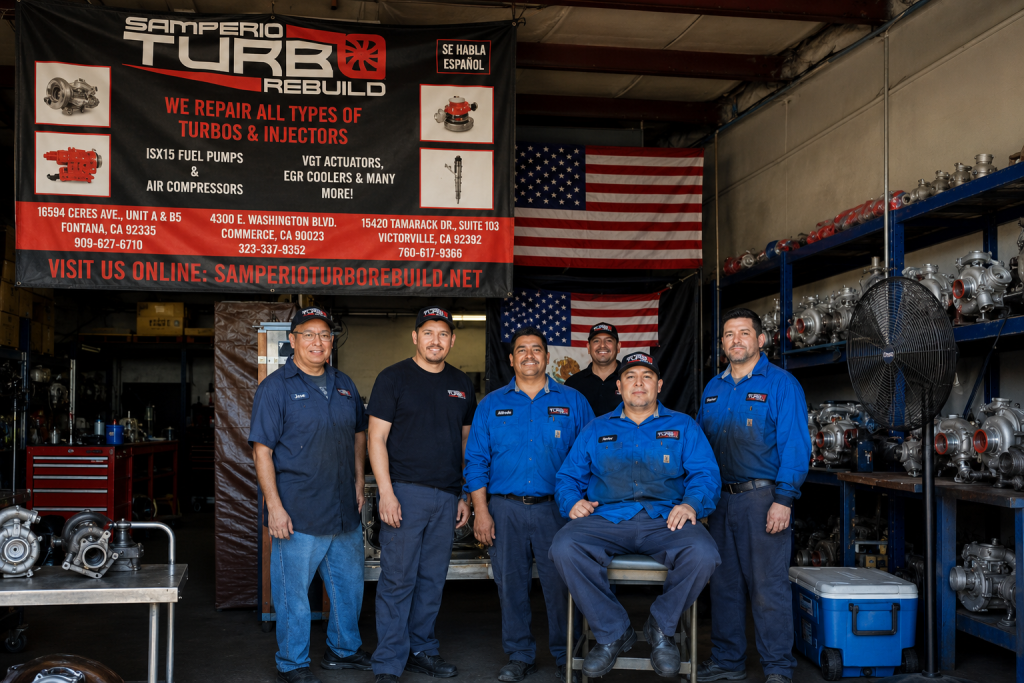
Choosing a Turbo Repair Specialist
Not every repair shop specializes in turbochargers.
An experienced turbo repair specialist should offer:
- Turbo diagnostics
- Actuator testing
- Turbo inspections
- Precision repairs
- Performance testing
Working with a qualified turbo shop helps ensure the problem is diagnosed correctly and repaired properly the first time.

Conclusion
Turbocharger repair costs can vary depending on the type of turbocharger, the severity of the damage, and the repairs required. While some issues may involve relatively minor repairs, others can become significantly more expensive if they are ignored for too long.
Understanding the factors that affect repair costs allows diesel owners to make better decisions, avoid unnecessary expenses, and keep their vehicles operating reliably. Early diagnosis, proper maintenance, and professional inspections remain the best ways to control costs and extend turbocharger life.
About Samperio Turbo Rebuild
- Jimy Delgado
- Content Manager
At Samperio Turbo Rebuild, we know downtime costs money. Whether you need a turbo rebuild, repair, actuator, injector, or diesel part support, our team is here to help you get back on the road with reliable work and straight answers.
Need help with your diesel turbo or parts? Contact Samperio Turbo Rebuild today and let’s get your truck running right.