
How to Rebuild a VGT Turbo Actuator and Restore Performance
What to Know
- A VGT turbo actuator controls the variable geometry mechanism inside a variable geometry turbocharger.
- A faulty actuator can contribute to boost control problems, reduced engine power, and turbocharger-related fault codes.
- Rebuilding an actuator involves evaluating its condition and determining which components can be reused or need repair.
- Proper calibration and testing are important to verify that a rebuilt actuator operates correctly.
- Samperio Turbo Rebuild shares hands-on actuator rebuilding work to show how faulty components can be evaluated and serviced.

Introduction
A variable geometry turbocharger (VGT) helps a diesel engine manage boost pressure by adjusting the position of internal vanes. The VGT actuator controls this mechanism, helping the turbocharger respond to changing engine speeds and operating conditions.
When an actuator develops a fault, the turbocharger may not regulate boost as expected. This can affect engine performance and may trigger diagnostic trouble codes.
In its YouTube Short, “How We Rebuild a VGT Actuator,” Samperio Turbo Rebuild shows a hands-on look at the actuator rebuilding process, starting with a faulty unit.
Understanding how VGT actuators are inspected, rebuilt, and tested helps explain why proper service matters for heavy-duty diesel engines.

What Does a VGT Turbo Actuator Do?
A VGT actuator controls the position of the variable geometry mechanism inside a compatible turbocharger. By adjusting the vane position, the system changes exhaust gas flow through the turbine.
This helps the turbocharger manage boost across different engine speeds and loads.
Depending on the application, a VGT actuator may use electronic controls and mechanical components to position the turbocharger vanes accurately. The actuator must work correctly with the turbocharger’s mechanism to deliver the intended response.
When the actuator cannot move or communicate properly, the engine may experience boost control issues or reduced performance.

What Causes a VGT Actuator to Fail?
VGT actuators operate in demanding environments, where heat, vibration, contamination, and repeated movement can affect their condition over time.
Common potential causes of actuator problems include:
Electronic faults: Internal electronic components or control circuits may develop faults that prevent proper operation.
Mechanical wear: Moving components can wear or become damaged, affecting the actuator’s ability to control the VGT mechanism.
Heat and vibration: Repeated exposure to engine heat and vibration can contribute to component deterioration.
Turbocharger mechanism problems: A sticking or damaged VGT mechanism can place additional demands on the actuator. The actuator itself may not be the original cause of the problem.
Because different faults can produce similar symptoms, proper diagnosis is important before deciding whether an actuator should be rebuilt or replaced.

How Is a VGT Turbo Actuator Rebuilt?
The correct procedure depends on the actuator design, application, and condition. A professional rebuilding process generally involves several important stages.
1. Inspecting the Faulty Actuator
The first step is to evaluate the actuator’s physical condition and identify signs of damage or wear.
Inspection helps determine whether the unit is a suitable candidate for rebuilding. It can also help identify problems that may require further diagnosis before work begins.

2. Disassembly and Cleaning
When appropriate for the actuator design, the unit is disassembled so its serviceable components can be inspected.
Cleaning helps remove accumulated dirt and contamination from components that can safely undergo the process. Damaged or worn parts must be evaluated to determine whether they can be reused.
The specific disassembly and cleaning procedures vary by actuator model.
3. Repairing or Replacing Components
After inspection, components that do not meet the applicable requirements may need repair or replacement.
The objective is to restore the actuator’s proper operation rather than simply make the exterior look clean.
Not every actuator can be rebuilt successfully. Severe internal damage or unavailable components may make replacement the more appropriate option.

4. Calibration and Testing
Rebuilding is only part of the process. The actuator must also operate correctly with its intended turbocharger system.
Depending on the model, calibration and specialized testing help verify that the actuator responds appropriately and meets the applicable performance requirements.
Incorrect calibration can lead to poor VGT operation or recurring fault codes. The appropriate procedure depends on the actuator and turbocharger application.
5. Final Performance Verification
Before an actuator is returned to service, its operation should be checked according to the relevant testing procedure.
If a problem remains, additional inspection may be necessary. The turbocharger’s variable geometry mechanism and related systems may also need to be evaluated.
Testing helps reduce the risk of installing an actuator that still has an unresolved problem.

What Are the Signs of a Faulty VGT Actuator?
A malfunctioning VGT actuator can produce symptoms similar to other turbocharger or engine problems.
Common warning signs include:
- Reduced engine power or poor acceleration
- Underboost or overboost conditions
- Turbocharger-related diagnostic trouble codes
- Inconsistent boost response
- Reduced performance under load
These symptoms do not automatically confirm actuator failure. Problems with wiring, sensors, turbocharger vanes, exhaust conditions, or other engine systems can cause similar issues.
A proper diagnosis helps identify the actual source of the problem before parts are replaced.

Why Proper VGT Actuator Testing Matters
A rebuilt actuator must do more than move. It needs to operate correctly with the turbocharger it is designed for.
Testing and calibration help verify actuator operation and identify issues that may not be obvious during a visual inspection.
Correct application matching is equally important. Different engines and turbocharger models can require different actuator designs, part numbers, and calibration procedures.
Before ordering a replacement or rebuilt unit, verify the actuator part number and turbocharger application. Engine details and the existing actuator information can help confirm compatibility.
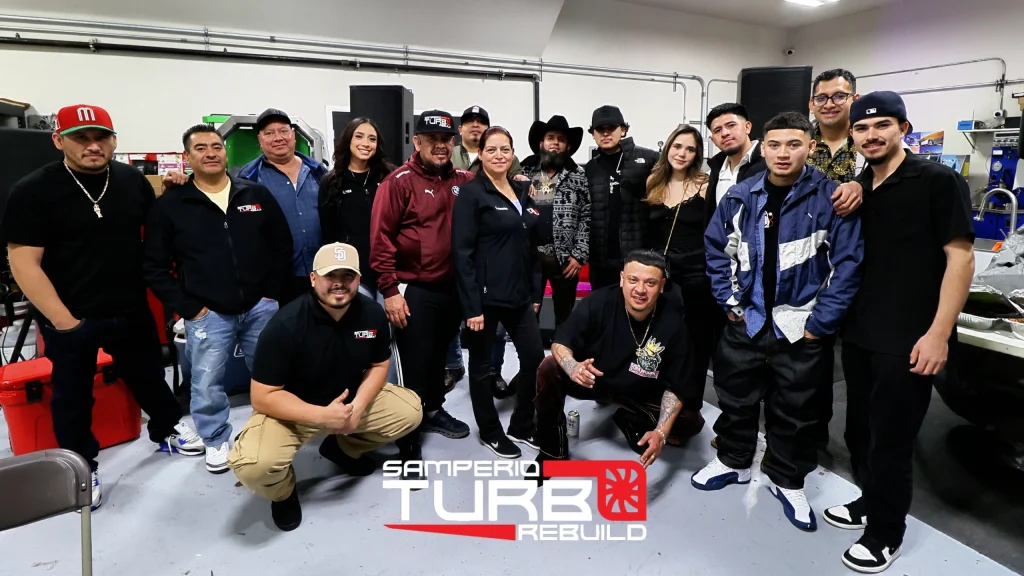
Professional VGT Actuator Rebuilding at Samperio Turbo Rebuild
Samperio Turbo Rebuild works with diesel turbochargers and related components, including VGT actuators. Its actuator services include inspection, rebuilding, calibration, and testing, depending on the unit and application.
If your diesel truck is experiencing boost control problems or actuator-related fault codes, professional diagnosis can help determine whether the actuator needs service or whether another component is responsible.
The right repair depends on the condition of the actuator, the turbocharger mechanism, and the engine’s control system.

Conclusion
A VGT turbo actuator plays an important role in controlling turbocharger performance on many diesel engines. When the actuator develops a fault, proper inspection can help determine whether rebuilding or replacement is the right solution.
A thorough process includes evaluating the unit, servicing suitable components, and verifying operation through appropriate calibration and testing.
Watch the hands-on process in Samperio Turbo Rebuild’s video, “How We Rebuild a VGT Actuator,” to see the team working with a faulty actuator.
If you need help with a diesel turbocharger or VGT actuator, contact Samperio Turbo Rebuild for assistance with diagnosis, actuator service, and finding the correct part for your application.
About Samperio Turbo Rebuild
- Jimy Delgado
- Content Manager
At Samperio Turbo Rebuild, we know downtime costs money. Whether you need a turbo rebuild, repair, actuator, injector, or diesel part support, our team is here to help you get back on the road with reliable work and straight answers.
Need help with your diesel turbo or parts? Contact Samperio Turbo Rebuild today and let’s get your truck running right.