
How Turbochargers Help Reduce Fuel Costs in Diesel Trucks
What to Know
- Turbochargers help diesel engines use fuel more efficiently by increasing airflow and improving combustion.
- A properly functioning turbocharger can reduce fuel waste, improve towing performance, and lower overall operating costs.
- Common turbocharger problems such as boost leaks, worn components, or actuator issues can increase fuel consumption and reduce engine performance.
- Regular maintenance, including oil changes, air filter replacement, and turbo inspections, helps maximize fuel economy and extend turbocharger life.
- Addressing turbocharger issues early can help prevent costly repairs, unexpected downtime, and long-term fuel efficiency losses.

Introduction
Fuel costs are one of the biggest expenses for diesel truck owners. Whether you operate a work truck, manage a fleet, or use your vehicle for towing and hauling, improving fuel efficiency can have a significant impact on your bottom line.
Many people think turbochargers are designed solely to increase horsepower and torque. While they certainly improve performance, they also play a critical role in helping diesel engines operate more efficiently. A properly functioning turbocharger allows the engine to generate more power from the same amount of fuel, helping reduce waste and lower operating costs over time.
Understanding how turbochargers contribute to fuel economy can help diesel owners maximize performance, reduce fuel expenses, and avoid costly repairs.

Why Fuel Efficiency Matters for Diesel Owners
Even small improvements in fuel economy can create substantial savings over time.
For diesel truck owners, improved fuel efficiency can help:
- Reduce fuel expenses
- Lower operating costs
- Improve fleet profitability
- Increase driving range between fill-ups
- Improve overall vehicle performance
When fuel prices rise, maintaining an efficient engine becomes even more important. Every gallon saved contributes directly to lower ownership and operating costs.

How Turbochargers Improve Fuel Economy
A turbocharger helps improve fuel economy by increasing the amount of air entering the engine.
More air means more oxygen is available during combustion. This allows fuel to burn more completely and efficiently, producing more usable energy from every gallon of diesel.
Instead of allowing exhaust energy to go to waste, the turbocharger uses it to improve engine performance and efficiency. This process helps diesel engines produce strong power without significantly increasing fuel consumption.
As a result, diesel truck owners can enjoy improved performance while getting more value from every gallon of fuel.

How Better Combustion Reduces Fuel Waste
Efficient combustion is one of the key factors behind diesel engine fuel economy.
When fuel burns completely, the engine can extract more energy from each combustion cycle. This improves performance while reducing wasted fuel.
Poor combustion can contribute to:
- Increased fuel consumption
- Excessive exhaust smoke
- Carbon buildup
- Reduced engine efficiency
Turbochargers help support cleaner and more efficient combustion by ensuring the engine receives the airflow it needs under varying driving conditions.
The result is improved fuel utilization and lower operating costs over time.

Fuel Savings During Towing and Heavy Loads
Towing and hauling place significant demands on a diesel engine.
Without a turbocharger, the engine would need to work harder and operate at higher RPMs to maintain performance under heavy loads. This often leads to increased fuel consumption.
Turbochargers help diesel engines generate strong torque at lower RPMs, allowing trucks to:
- Maintain power while towing
- Reduce engine strain
- Improve fuel efficiency under load
- Deliver more consistent performance
For truck owners who regularly tow trailers, equipment, or heavy cargo, a healthy turbocharger can play a major role in controlling fuel costs.

How Turbochargers Support Modern Engine Efficiency
Modern diesel engines are designed to balance performance, fuel economy, and reliability.
Turbochargers help achieve this balance by allowing engines to produce more power without requiring larger engine displacement.
Benefits include:
- Improved fuel economy
- Better towing capability
- Increased engine efficiency
- Stronger performance under demanding conditions
This technology allows diesel trucks to deliver the power drivers need while helping keep fuel consumption under control.

Signs Your Turbocharger May Be Hurting Fuel Economy
A healthy turbocharger helps improve efficiency. A failing turbocharger can have the opposite effect.
Watch for these common warning signs:
Increased Fuel Consumption
A sudden drop in fuel economy may indicate a turbocharger problem.
Loss of Power
Reduced boost pressure can make the engine work harder to maintain performance.
Excessive Exhaust Smoke
Incomplete combustion often leads to visible smoke and wasted fuel.
Slow Acceleration
Turbocharger issues can reduce engine responsiveness and overall efficiency.
Check Engine Light
Many turbocharger-related problems trigger warning lights before major damage occurs.
Addressing these symptoms early can help prevent more expensive repairs and ongoing fuel losses.

How Turbo Maintenance Helps Maximize Fuel Savings
Routine maintenance is one of the most effective ways to protect fuel economy and turbocharger performance.
Regular Oil Changes
Clean oil helps protect turbocharger bearings and reduces internal wear.
Air Filter Replacement
A clean air filter allows the turbocharger to receive the airflow it needs to operate efficiently.
Inspecting Boost Hoses
Leaks can reduce boost pressure and force the engine to consume more fuel.
Monitoring Turbo Performance
Changes in performance, unusual noises, or smoke should be investigated promptly.
Addressing Warning Lights
Early diagnosis often prevents larger and more expensive repairs.
Consistent maintenance helps maximize efficiency while extending turbocharger life.
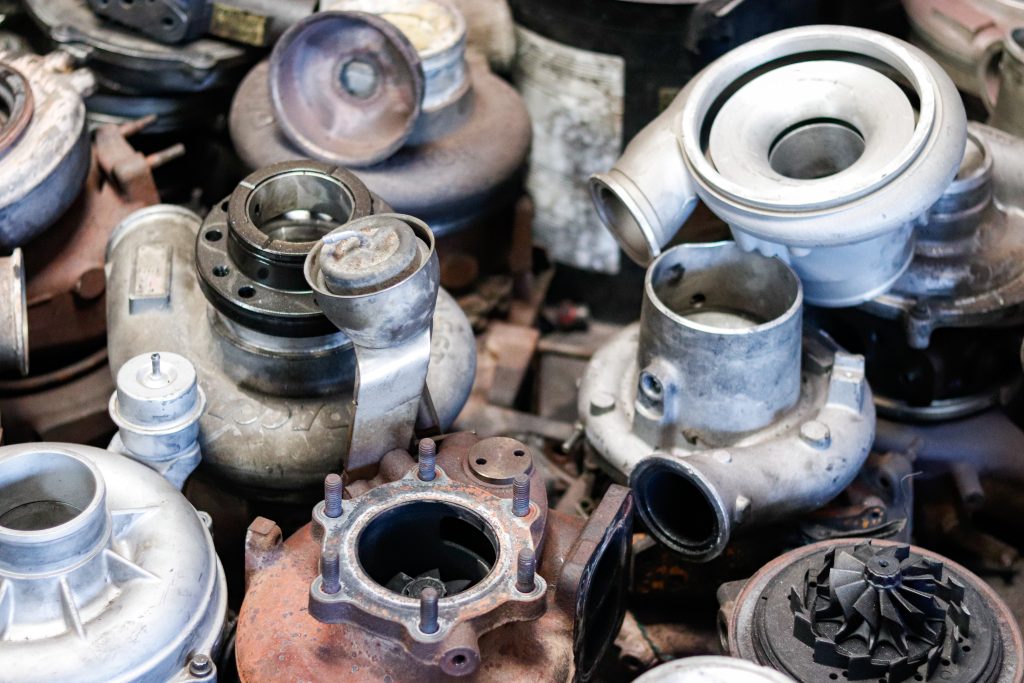
When a Turbocharger Problem Starts Costing You Money
Many diesel owners focus on repair costs but overlook the hidden expense of reduced efficiency.
A failing turbocharger can lead to:
- Higher fuel consumption
- Reduced productivity
- Increased engine strain
- Additional maintenance costs
- Unexpected downtime
Over time, these expenses can add up quickly.
Addressing turbocharger issues early often costs less than allowing performance and fuel economy to continue declining.
Maximizing Long-Term Fuel Savings
Long-term fuel savings depend on maintaining both the engine and turbocharger properly.
To improve efficiency and reduce operating costs:
- Follow recommended maintenance schedules
- Change oil regularly
- Replace air filters when needed
- Inspect turbocharger components routinely
- Address performance issues promptly
- Monitor changes in fuel economy
Small maintenance issues can eventually become larger problems if left unresolved.
Being proactive helps protect your investment and keep fuel costs under control.

Conclusion
Turbochargers do much more than increase horsepower. They help diesel engines operate more efficiently, reduce fuel waste, and lower overall operating costs.
By improving airflow and supporting more complete combustion, turbochargers allow diesel trucks to generate strong performance while making better use of every gallon of fuel. However, these benefits depend on proper maintenance and timely repairs.
For diesel owners looking to improve fuel economy, reduce expenses, and maximize long-term reliability, maintaining a healthy turbocharger is one of the smartest investments they can make.
About Samperio Turbo Rebuild
- Jimy Delgado
- Content Manager
At Samperio Turbo Rebuild, we know downtime costs money. Whether you need a turbo rebuild, repair, actuator, injector, or diesel part support, our team is here to help you get back on the road with reliable work and straight answers.
Need help with your diesel turbo or parts? Contact Samperio Turbo Rebuild today and let’s get your truck running right.