
What Causes Low Boost Pressure in a Diesel Engine?
What to Know
- Low boost pressure can reduce engine power, fuel efficiency, and towing performance while placing additional strain on your diesel engine.
- Common causes include boost leaks, worn turbocharger components, faulty actuators, clogged air filters, and exhaust restrictions.
- Symptoms often include slow acceleration, excessive exhaust smoke, poor throttle response, and a noticeable loss of power.
- Identifying the problem early can help prevent additional damage and reduce repair costs.
- Professional diagnosis and timely turbocharger repairs can restore proper boost pressure and keep your diesel engine performing reliably.

Introduction
Your diesel engine depends on proper boost pressure to deliver the power, torque, and efficiency you expect. When boost pressure drops below normal levels, your truck may feel sluggish, struggle while towing, consume more fuel, or produce excessive exhaust smoke.
Low boost pressure is not something you should ignore. It is often a sign that something within the turbocharger system is preventing the engine from receiving the compressed air it needs for efficient combustion.
Understanding what causes low boost pressure can help you identify problems early, avoid costly repairs, and restore your diesel engine’s performance before the issue becomes more serious.

What Is Low Boost Pressure?
Boost pressure is the compressed air produced by the turbocharger and delivered into the engine’s intake system. When the turbocharger cannot generate or maintain enough boost, the engine receives less air than it needs for efficient combustion. As a result, performance declines, fuel economy decreases, and overall engine efficiency suffers.

Common Causes of Low Boost Pressure
Boost Leaks
One of the most common causes of low boost pressure is a leak within the intake system. Cracked intercooler pipes, loose clamps, damaged hoses, or leaking intercoolers allow compressed air to escape before it reaches the engine.
Even a small leak can significantly reduce turbocharger performance and overall engine efficiency.
Worn Turbocharger Components
Turbochargers naturally wear over time. Damaged compressor wheels, worn bearings, excessive shaft play, or internal wear can prevent the turbo from generating the boost pressure your engine needs.
These issues often become more noticeable during heavy acceleration, towing, or hauling.
Faulty Turbo Actuator
Many modern diesel engines use electronic or pneumatic turbo actuators to regulate boost pressure. If the actuator fails or falls out of calibration, the turbocharger may not adjust properly, resulting in low or inconsistent boost.
Common signs include reduced power, slow acceleration, a check engine light, or the vehicle entering limp mode.
Dirty or Restricted Air Filter
A clogged air filter limits the amount of air entering the turbocharger. Without sufficient airflow, the turbo cannot efficiently compress air, reducing boost pressure and engine performance.
Replacing a dirty air filter is one of the simplest maintenance tasks that can help improve airflow and engine efficiency.
Exhaust Restrictions
Turbochargers rely on exhaust gases to spin the turbine and create boost pressure. Restrictions within the exhaust system, such as damaged components or excessive soot buildup, reduce exhaust flow and limit turbocharger performance.
Less exhaust energy means the turbo cannot generate the boost pressure your engine requires.
Vacuum or Pressure Control Problems
Many diesel engines rely on vacuum lines or pressure control systems to regulate turbocharger operation. Cracked vacuum lines, leaking fittings, or faulty control solenoids can prevent the turbo from producing the correct amount of boost pressure.

Symptoms of Low Boost Pressure
Low boost pressure can affect your truck in several ways. In many cases, drivers notice more than one symptom at the same time.
Common warning signs include:
- Loss of engine power
- Poor acceleration
- Increased fuel consumption
- Black exhaust smoke
- Reduced towing performance
- Check engine light
- Limp mode activation
If you notice several of these symptoms together, it is important to have your turbocharger system inspected as soon as possible.

Can Low Boost Pressure Damage Your Engine?
Although low boost pressure does not always cause immediate engine damage, ignoring the problem can lead to more expensive repairs over time.
Reduced airflow forces the engine to work harder, increasing fuel consumption while placing additional stress on both the turbocharger and engine components. Addressing the issue early can help prevent unnecessary wear and restore your engine’s performance before more significant damage occurs.

How Low Boost Pressure Is Diagnosed
Proper diagnosis involves much more than simply replacing parts.
A technician will typically inspect the turbocharger, boost hoses, intercooler, turbo actuator, air intake system, exhaust system, and any stored diagnostic trouble codes to identify the source of the problem.
Finding the root cause ensures the correct repair is completed the first time.

How to Prevent Low Boost Pressure
Routine maintenance is the most effective way to reduce the risk of boost-related problems.
Regular oil changes, replacing air filters, inspecting boost hoses, repairing small leaks early, and addressing warning lights promptly can all help maintain proper turbocharger performance. If you notice any change in engine performance, scheduling a professional inspection early can prevent larger and more expensive repairs later.
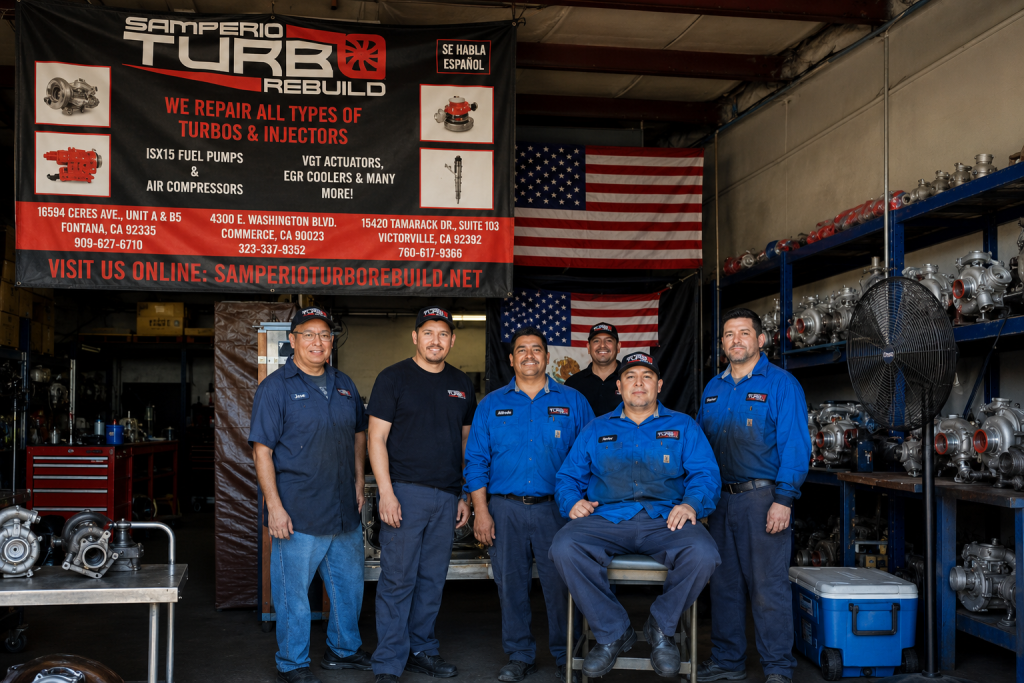
When to Seek Professional Turbocharger Service
If your diesel truck has lost power, struggles while towing, or shows signs of low boost pressure, it is time to have the turbocharger system professionally inspected.
Whether the problem is caused by a boost leak, a faulty actuator, or worn turbocharger components, identifying the issue early can help restore reliable performance, reduce downtime, and prevent more costly repairs.

Conclusion
Low boost pressure is one of the most common causes of poor diesel engine performance, yet it is often overlooked until symptoms become more severe. Problems such as boost leaks, worn turbocharger components, faulty actuators, restricted airflow, and exhaust restrictions can all reduce boost pressure and affect how your truck performs.
Recognizing the warning signs early and scheduling a professional inspection can help prevent additional damage while restoring the power, efficiency, and reliability your diesel engine was designed to deliver.
About Samperio Turbo Rebuild
- Jimy Delgado
- Content Manager
At Samperio Turbo Rebuild, we know downtime costs money. Whether you need a turbo rebuild, repair, actuator, injector, or diesel part support, our team is here to help you get back on the road with reliable work and straight answers.
Need help with your diesel turbo or parts? Contact Samperio Turbo Rebuild today and let’s get your truck running right.